Kirk Franklin Isn't Asking Permission: Inside "This Time" and the Road to I Am What I Am
The gospel icon's new GloRilla collaboration has the church split between shouting and side-eyeing. Before you pick a side, look at what the song actually says, and what his October double album is really about.
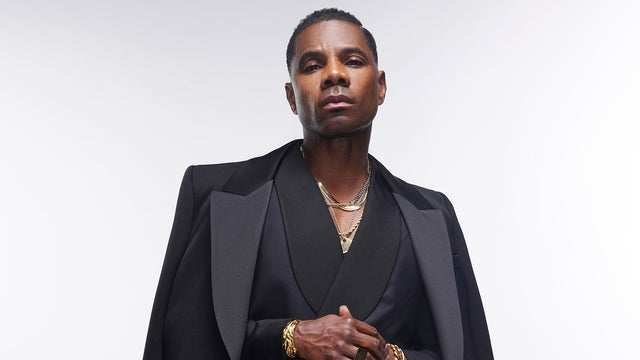
If you've been anywhere near a church group chat this past week, you already know. Kirk Franklin dropped a new single, GloRilla is on it again, and the beat underneath it is one a whole generation of Atlanta kids knows from the first horn blast.
Half the comments say Kirk is still him. The other half want to know what exactly is going on in gospel music. Both reactions are worth taking seriously, because this one isn't really about a song. It's about a question the church has been arguing over since before most of us were born.
What Dropped
"This Time" came out September 25 on Uptown Records as the first preview of Franklin's 14th solo album, I Am What I Am, which arrives October 30. The track finds Franklin and his choir singing through the weight of hard seasons, with money pressure right at the center of it. The message is familiar Kirk territory: you're going to get back up, and this is the time it turns.
The part people are talking about is the sound. The record is built on Mandrill's 1972 song "Children of the Sun," the same source the late Shawty Lo used for his street anthem "Dey Know." Play the first few seconds for anyone who came up in the South in the 2000s and watch their face change.
Then there's the feature. Near the close of the track, GloRilla calls herself a serious prayer warrior and drops a hint about what her next album might be called. Her verse is short. It's also the verse everybody is quoting.
Franklin first teased the song on the Joe and Jada podcast and then premiered it in full on The Breakfast Club during DJ Envy's mix segment. Those aren't gospel radio rooms. That choice tells you exactly who he wants to reach.
Why the Timeline Split
Let's be accurate about the "controversy." Nobody is accusing Kirk of preaching a different gospel. The pushback is about packaging.
After the Joe and Jada preview, fans debated whether he was pushing gospel somewhere it shouldn't go or simply finding new doors into praise and worship. On The Shade Room's Instagram, plenty of commenters crowned him, while others admitted they never saw this pairing coming. Charlamagne tha God, true to form, turned the whole thing into a joke nickname.
The deeper tension goes back to the first time these two worked together. "Rain Down On Me," the earlier collaboration that also brought in Maverick City Music, Kierra Sheard and Chandler Moore, drew criticism from both fans and fellow gospel artists. It also won GloRilla the Dr. Bobby Jones Best Gospel/Inspirational Award at the 2025 BET Awards, her first BET win after six straight years of nominations.
So the objection, stated fairly, goes like this: a street sample plus a secular rapper blurs the line between the sanctuary and the club, and young listeners may not be able to tell where one ends and the other begins. That concern comes from a real place in Scripture.
And be not conformed to this world: but be ye transformed by the renewing of your mind.Romans 12:2
That verse deserves respect, not an eye roll. The church should always ask what it's being conformed to.
Kirk Has Been Here Before
Here's the thing, though. Kirk Franklin has been having this exact argument for thirty years.
"Stomp" put a funk groove and a secular rap guest in the middle of a gospel record back in the '90s, and traditionalists were not amused. That song is now a church-anniversary staple. "Lean on Me" in 1998 brought Mary J. Blige and Bono onto a gospel track and earned a Grammy nomination for Song of the Year.
The beat was never the real test. The real test is where the room is pointed when the hands go up.
And the argument is older than Kirk. Gospel has been crossing over and catching heat since a youth choir's fundraiser record hit pop radio. Read The True Story Behind "Oh Happy Day" (It Started as a Fundraiser) .
He isn't pretending any of this is new, either. On Joe and Jada, he talked about growing up in Fort Worth, about building his sound on an early love for hip-hop acts like the Geto Boys and Scarface, and about the criticism he gets from some religious circles for praying backstage with artists like Usher and Chris Brown. His point was simple: show people love without judgment.
That posture has a biblical address too.
I am made all things to all men, that I might by all means save some.1 Corinthians 9:22
Paul didn't lower the message. He changed the room he delivered it in. Whether Kirk is doing the same thing is a fair question. But it's the right question, and it's a different question than "does the beat knock too hard?"
The Album Behind the Single
If "This Time" is the conversation starter, I Am What I Am is the actual statement, and it looks a lot more balanced than the timeline suggests.
It's Franklin's first double album: 14 songs, with seven leaning contemporary and seven rooted in traditional gospel. That split says a lot. He isn't abandoning the choir-loft sound. He's putting both rooms under one roof.
The rollout already includes "Thank You For Everything" with Karen Clark Sheard of The Clark Sisters, which he performed on the Stellar Gospel Music Awards and which his label describes as the fastest-growing record at gospel radio. You don't put a Clark Sister on your lead-up single if you're trying to leave the church behind.
The business side matters too. The album comes out of a new partnership with Uptown Records alongside his Fo Yo Soul Entertainment and TRIBL Music Group, and it follows Father's Day, the 2023 project that brought him his 20th Grammy and the No. 1 song "All Things." For the Christianpreneurs reading this, that's a thirty-year veteran still structuring deals, still owning his lane, and still betting on new audiences at a point where most artists would coast.
And the title? Whether or not he meant it this way, it echoes one of Paul's most honest lines.
But by the grace of God I am what I am.1 Corinthians 15:10
That's not a defiant slogan. It's a confession that everything good in you came from somewhere else.
What Church Leaders Should Actually Take From This
Most of the pastors reading this will get asked about this song, probably by a teenager, probably this month. A few thoughts before that conversation happens.
Don't fight about the sample. Talk about the message. The song is about pressing through hard seasons with God on your side. That's a conversation worth having with a young person who is already listening.
Ask what your worship is conformed to, too. It's easy to point at a GloRilla verse. It's harder to ask whether our own services are shaped more by habit and preference than by the renewing of our minds. Romans 12:2 cuts both directions.
Notice who's in the room. Kirk premiered this on a hip-hop podcast and a morning radio show, not a gospel outlet. Some of the people hearing it haven't walked into a church in years. That's worth celebrating before it's worth critiquing.
If you lead a church trying to reach that same generation, read Millennials Are Coming Back to Church .
Some fans read the whole thing as Kirk simply opening new doors into praise. Others read it as compromise. Here's where I land:
The beat was never the real test. The real test is where the room is pointed when the hands go up.
The Bottom Line
"This Time" will not be the last gospel record to make the church uncomfortable, and it shouldn't be. Every generation of Christian music has had its "Stomp" moment, and every generation has had to decide whether the new sound was carrying the old message or replacing it.
October 30 will give us the full picture. Seven traditional songs, seven contemporary ones, and a title that borrows a line from the apostle Paul. Judge the album on the whole body of work, not on one horn sample. Kirk has earned at least that much.
Two reads for leaders thinking through why a song like this lands the way it does.
Christianpreneur Magazine may earn a commission from qualifying purchases made through Amazon affiliate links at no additional cost to the reader.
More in Christian and Gospel Music
See all
Christian Business News: Faith-Based Companies and Trends Shaping 2026
Faith-driven enterprises are becoming more visible in technology, publishing, workplace culture, and church operations. The real business story is what those companies must do to earn trust, create sustainable value, and serve people well.
Christianpreneur Magazine Editorial · 11 min
What Avivo Village Can Teach the Church About Caring for the Homeless
A Minneapolis nonprofit turned an old warehouse into 100 private rooms, plus the mental health, addiction and job support to help people actually get out and stay out. Here's what it has to say to the church.
Marcus Reed · 7 min
The True Story Behind "Oh Happy Day" (It Started as a Fundraiser)
Five hundred vinyl copies, sold by hand to pay for a bus trip to Washington. Nobody involved was trying to make a hit, and that may be exactly why they did.
Jonathan Miles · 6 min